
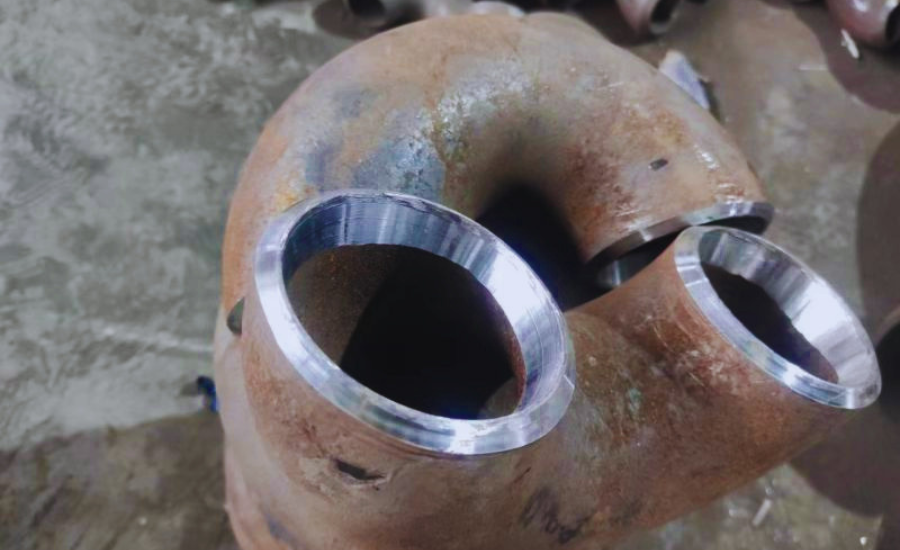
When it comes to selecting the right piping components, even small material differences can have a big impact on performance, durability, and cost. Among the most commonly used stainless steel grades in piping systems are SS 304 and SS 304L—especially for elbows used in industrial pipelines. While they may seem similar at first glance, understanding their differences is essential for engineers, project managers, and procurement teams.
Let’s break it down in a clear, practical way.
Understanding SS 304 and SS 304L
SS 304 is the most widely used austenitic stainless steel. It offers excellent corrosion resistance, good strength, and versatility across industries like chemical processing, food production, and construction.
SS 304L, on the other hand, is a low-carbon variant of SS 304. The “L” stands for low carbon, which plays a crucial role in specific applications—particularly those involving welding.
Key Differences Between SS 304 and 304L Elbows
- Carbon Content
The primary distinction lies in carbon content:
- SS 304: Up to 0.08% carbon
- SS 304L: Maximum 0.03% carbon
Lower carbon in 304L reduces the risk of carbide precipitation during welding, which can otherwise lead to corrosion.
- Weldability
For piping systems that involve heavy welding:
- SS 304L elbows are the preferred choice because they minimize the risk of intergranular corrosion.
- SS 304 elbows may require post-weld heat treatment to maintain corrosion resistance.
👉 Engineer’s takeaway: If your project involves extensive welding, 304L is usually the safer and more efficient option.
- Corrosion Resistance
Both grades offer excellent corrosion resistance, but:
- SS 304L performs better in welded environments and corrosive conditions due to its lower carbon content.
- SS 304 is still highly resistant but slightly more vulnerable after welding.
- Mechanical Strength
- SS 304 has slightly higher tensile and yield strength due to higher carbon content.
- SS 304L sacrifices a small amount of strength for improved corrosion resistance.
👉 In most piping applications, this difference is minimal and rarely impacts performance significantly.
- Applications
Both materials are used in similar industries, but their selection depends on project requirements:
SS 304 Elbows are ideal for:
- General-purpose piping
- Low to moderate corrosion environments
- Applications with minimal welding
SS 304L Elbows are ideal for:
- Chemical processing plants
- Oil & gas pipelines
- Pharmaceutical and food-grade systems
- Projects involving extensive welding
- Cost Consideration
- SS 304L elbows may be slightly more expensive due to controlled carbon content and added processing.
- However, they often reduce long-term maintenance costs, especially in corrosive or welded systems.
How to Choose the Right One?
Choosing between SS 304 and 304L elbows depends on a few critical factors:
- Welding involved? → Go with 304L
- Highly corrosive environment? → 304L is safer
- Cost-sensitive, low-risk application? → 304 works well
- Long-term durability priority? → 304L offers better lifecycle performance
Final Thoughts
While SS 304 and SS 304L elbows may look identical, their performance in real-world conditions can differ significantly. The low carbon content of 304L gives it a clear advantage in welded and corrosion-prone environments, making it a preferred choice for critical industrial applications.
For engineers, the key is not just selecting a material—but selecting the right material for the job. A well-informed choice today can prevent costly repairs, downtime, and system failures tomorrow.
If you’re designing or upgrading a piping system, taking the time to understand these material differences can make all the difference in achieving reliability, safety, and long-term efficiency.