
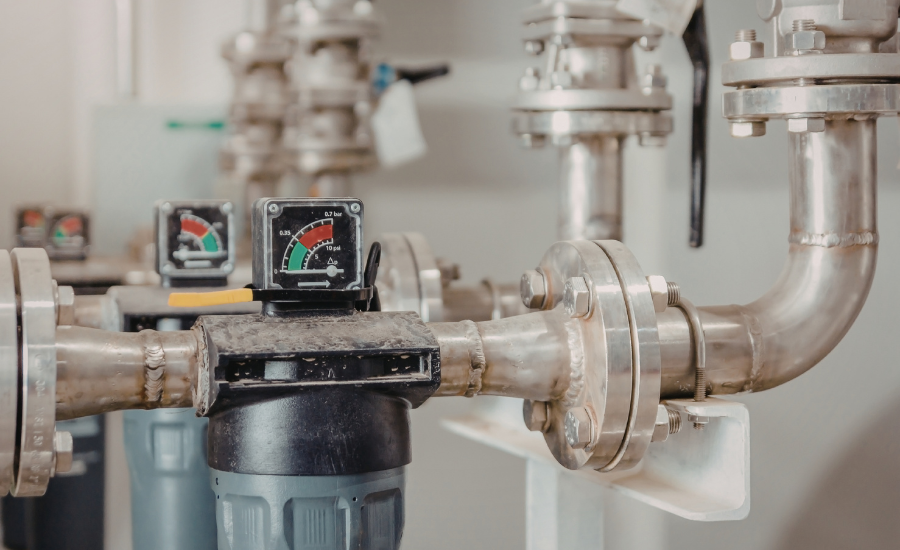
Industrial piping systems operating under high temperatures and extreme pressure conditions demand more than just standard components. In sectors such as oil and gas, petrochemicals, power generation, refineries, marine engineering, and chemical processing, the reliability of every pipeline connection directly affects operational safety, efficiency, and long-term performance.
Among the most critical components in these demanding systems are buttweld fittings. Designed to provide strong, leak-resistant, and permanent pipe connections, buttweld fittings play a major role in maintaining the integrity of industrial pipelines under challenging operating conditions.
However, selecting the right buttweld fittings for high-temperature and high-pressure systems requires careful evaluation of multiple factors, including material grade, pressure rating, fitting type, corrosion resistance, and application environment. Choosing incorrectly can result in premature failures, costly downtime, safety hazards, and expensive maintenance.
This guide explores the key considerations engineers, contractors, and procurement teams should understand when selecting buttweld fittings for critical industrial applications.
What Are Buttweld Fittings?
Buttweld fittings are piping components welded directly to pipes to create strong and seamless connections. Unlike threaded or socket-weld fittings, buttweld fittings offer smoother flow characteristics and superior structural strength, making them ideal for demanding industrial environments.
Common types of buttweld fittings include:
- Elbows
- Tees
- Reducers
- Stub ends
- Caps
- Cross fittings
These fittings are widely used in systems requiring:
- High pressure handling
- Elevated temperature resistance
- Leak-proof connections
- Continuous industrial operation
Because the fittings are welded directly to the pipe, they create a durable and permanent connection capable of withstanding extreme operational stress.
Why High-Temperature & High-Pressure Systems Require Special Attention
Pipelines operating under high temperatures and pressure levels face constant mechanical and thermal stress. These conditions can lead to:
- Thermal expansion
- Pressure surges
- Material fatigue
- Corrosion
- Joint weakening
- Vibration-related failures
In such environments, standard piping components may not deliver sufficient strength or durability. Properly selected buttweld fittings help maintain system stability while minimizing the risk of leaks, cracks, or catastrophic failures.
Industries such as refineries, steam plants, offshore platforms, and chemical processing facilities particularly depend on high-performance piping systems to ensure uninterrupted operations and workplace safety.
Selecting the Right Material Grade
Material selection is one of the most important factors when choosing buttweld fittings for extreme operating conditions.
Different materials offer varying levels of:
- Corrosion resistance
- Temperature tolerance
- Mechanical strength
- Pressure-handling capability
Stainless Steel Buttweld Fittings
Stainless steel fittings are widely used because of their excellent corrosion resistance and durability.
Popular grades include:
- SS 304/304L
- SS 316/316L
- Duplex stainless steel
- Super duplex stainless steel
SS 316 and duplex grades are especially preferred in corrosive and marine environments because of their resistance to chlorides and harsh chemicals.
Carbon Steel Buttweld Fittings
Carbon steel fittings are commonly used in high-pressure industrial systems because of their strength and cost-effectiveness.
They are suitable for:
- Oil and gas pipelines
- Steam systems
- Power plants
- Structural piping applications
However, they may require protective coatings in corrosive environments.
Alloy Steel Buttweld Fittings
Alloy steel fittings provide excellent performance under extremely high temperatures and pressures.
They are commonly used in:
- Boilers
- Heat exchangers
- Refineries
- Thermal power plants
Their enhanced mechanical properties help maintain strength under continuous thermal stress.
Understanding Pressure Ratings
Every piping system operates within a specific pressure range. Selecting fittings with the correct pressure rating is essential for operational safety.
Pressure ratings determine how much internal pressure a fitting can safely withstand under defined temperature conditions.
Using under-rated fittings may lead to:
- Joint failures
- Leakage
- Structural damage
- Safety risks
Always ensure buttweld fittings comply with applicable ASME, ANSI, or ASTM standards for the intended operating conditions.
Temperature Resistance Matters
High-temperature environments can significantly affect piping materials over time. Continuous exposure to elevated temperatures may weaken certain metals, reduce mechanical strength, and accelerate material degradation.
When selecting buttweld fittings, evaluate:
- Maximum operating temperature
- Thermal cycling conditions
- Heat expansion characteristics
- Long-term thermal stability
Materials such as alloy steel and stainless steel are often preferred because they retain strength and dimensional stability at elevated temperatures.
Importance of Corrosion Resistance
Many high-pressure industrial systems transport corrosive chemicals, steam, gases, or saltwater-based fluids. Corrosion can weaken fittings, damage weld joints, and compromise system integrity.
Choosing corrosion-resistant buttweld fittings helps:
- Extend service life
- Reduce maintenance costs
- Prevent leaks
- Improve operational reliability
For highly corrosive environments, stainless steel and duplex steel fittings are often the preferred solutions.
Choosing the Right Fitting Type
Different fitting configurations serve different operational purposes.
Elbows
Elbows are used to change flow direction within the piping system. Long-radius elbows are often preferred in high-pressure systems because they reduce flow turbulence and pressure drop.
Tees
Tees allow branch connections between pipelines. Equal tees and reducing tees are selected based on flow distribution requirements.
Reducers
Reducers help connect pipes of different diameters while maintaining smooth flow transitions.
Stub Ends
Stub ends are commonly used with lap joint flanges for systems requiring frequent maintenance or dismantling.
Selecting the correct fitting type improves both system efficiency and mechanical stability.
Weld Quality and Fabrication Standards
Even the highest-quality fittings can fail if welding procedures are poor. Proper welding techniques are essential for maintaining the integrity of high-temperature and high-pressure piping systems.
Ensure that:
- Qualified welders perform installations
- Weld procedures follow industry standards
- Non-destructive testing is conducted where required
- Material compatibility is maintained
High-quality welds reduce the risk of stress cracking and improve long-term reliability.
Compliance With Industry Standards
Industrial piping systems must comply with strict manufacturing and quality standards to ensure safety and performance.
Reliable buttweld fittings should conform to standards such as:
- ASME
- ASTM
- ANSI
- MSS
- DIN
Certified fittings provide assurance regarding:
- Material quality
- Dimensional accuracy
- Pressure performance
- Mechanical properties
Working with trusted manufacturers helps ensure compliance and consistent product quality.
Long-Term Cost Considerations
While lower-cost fittings may appear attractive initially, poor-quality components often lead to higher long-term expenses through maintenance, downtime, and replacement costs.
High-quality buttweld fittings provide:
- Longer operational life
- Reduced maintenance
- Better safety performance
- Improved system efficiency
For critical industrial applications, investing in durable and certified fittings delivers greater long-term value.
Why Choosing the Right Manufacturer Matters
The performance of buttweld fittings depends heavily on manufacturing quality and material consistency.
Trusted manufacturers provide:
- Certified raw materials
- Precision manufacturing
- Strict quality inspections
- Reliable dimensional accuracy
- Compliance with international standards
Partnering with experienced suppliers ensures better product reliability and long-term operational performance.
Final Thoughts
High-temperature and high-pressure systems require piping components capable of handling extreme operational demands without compromising safety or efficiency. Buttweld fittings remain one of the most reliable solutions for creating strong, leak-resistant, and durable piping connections in critical industrial applications.
From material selection and pressure ratings to corrosion resistance and fabrication quality, every factor plays an important role in determining long-term system performance.
By carefully selecting the right buttweld fittings and working with trusted pipe fittings manufacturers, industries can improve operational reliability, reduce maintenance risks, and ensure safer performance across demanding industrial environments.