
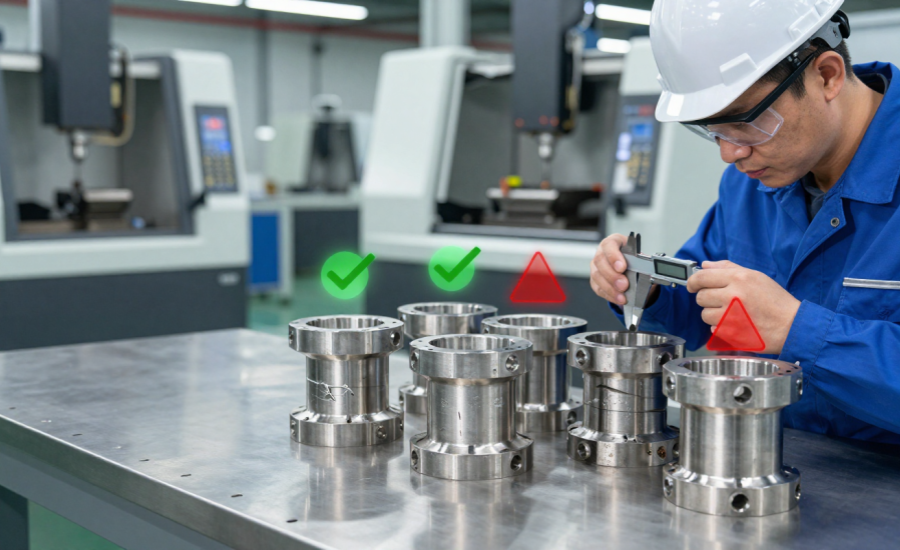
Flanges are one of the most critical components in industrial piping systems. Whether used in oil & gas, petrochemicals, power plants, water treatment, or food processing, they ensure secure, leak-proof connections between pipes, valves, pumps, and other equipment. However, even a minor defect in a flange can lead to leaks, equipment failure, costly downtime, and safety hazards.
For engineers, contractors, and procurement teams, understanding common flange quality issues is essential for selecting reliable products and maintaining system performance. In this article, we explore the most frequent flange defects, their causes, and practical ways to avoid them.
Why Flange Quality Matters
Industrial piping systems often operate under high pressure, elevated temperatures, and corrosive environments. A poorly manufactured flange may compromise the integrity of the entire pipeline. Investing in high-quality flanges not only enhances safety but also reduces maintenance costs and extends the service life of the system.
Choosing a trusted flange manufacturer ensures that every product meets international standards and performs consistently in demanding applications.
1. Dimensional Inaccuracy
One of the most common quality issues is incorrect flange dimensions. Even small deviations in bolt hole alignment, bore diameter, or flange thickness can make installation difficult and result in improper sealing.
Common Causes
- Poor machining accuracy
- Worn manufacturing equipment
- Lack of dimensional inspection
How to Avoid It
- Purchase flanges manufactured according to ASME, DIN, BS, EN, or JIS standards.
- Verify dimensional tolerances before dispatch.
- Request inspection reports for critical projects.
2. Poor Surface Finish
The sealing face of a flange plays a vital role in preventing leaks. Uneven or rough surfaces can prevent proper gasket seating, leading to sealing failures.
Common Causes
- Improper machining
- Damaged sealing faces during handling
- Low-quality finishing processes
Prevention Tips
- Inspect flange faces before installation.
- Store flanges carefully to prevent scratches.
- Select manufacturers using precision CNC machining.
3. Material Quality Issues
Using incorrect or substandard raw materials significantly reduces flange performance. Inferior materials may fail under pressure or corrode prematurely.
Warning Signs
- Material grade mismatch
- Low mechanical strength
- Reduced corrosion resistance
Best Practices
- Request Mill Test Certificates (MTC).
- Ensure chemical and mechanical properties meet project specifications.
- Source flanges only from manufacturers using certified raw materials.
4. Welding Defects (For Weld Neck Flanges)
Weld neck flanges are designed for high-pressure applications. Defects in the weld area can weaken the joint and increase the risk of failure.
Typical Defects
- Porosity
- Lack of fusion
- Cracks
- Incomplete penetration
Prevention
- Use qualified welders.
- Follow approved welding procedures.
- Perform Non-Destructive Testing (NDT) such as Ultrasonic Testing (UT) or Radiographic Testing (RT).
5. Corrosion Problems
Corrosion is one of the leading causes of flange failure, particularly in chemical plants, offshore installations, and marine environments.
Causes
- Incorrect material selection
- Exposure to aggressive chemicals
- Moisture and environmental conditions
How to Prevent Corrosion
- Choose corrosion-resistant materials such as Stainless Steel, Duplex Stainless Steel, or Nickel Alloys.
- Apply protective coatings where necessary.
- Conduct periodic inspections and maintenance.
6. Improper Heat Treatment
Heat treatment improves mechanical strength, hardness, and durability. Incorrect heat treatment can reduce flange reliability.
Potential Issues
- Reduced toughness
- Internal stresses
- Distortion
- Premature failure
Prevention
- Ensure heat treatment follows applicable standards.
- Work with manufacturers that maintain documented heat treatment records.
- Verify hardness and mechanical test reports.
7. Inadequate Pressure Testing
Flanges intended for high-pressure systems should be capable of withstanding specified operating conditions. Without proper testing, hidden defects may remain undetected.
Recommended Testing
- Hydrostatic testing
- Pressure testing
- PMI (Positive Material Identification)
- Hardness testing
- Ultrasonic Testing
- Dye Penetrant Testing
Quality manufacturers perform comprehensive inspections before shipping every batch.
8. Incorrect Flange Selection
Sometimes the issue isn’t manufacturing quality but selecting the wrong flange type for the application.
For example:
- Using Slip-On Flanges where Weld Neck Flanges are required
- Choosing the wrong pressure class
- Selecting incompatible materials for corrosive media
Proper engineering evaluation ensures the right flange is chosen based on pressure, temperature, fluid type, and operating conditions.
Quality Checks Every Buyer Should Perform
Before accepting any flange shipment, verify the following:
- Material grade matches project requirements
- Dimensions comply with relevant standards
- Surface finish is free from damage
- Proper marking and traceability are available
- Mill Test Certificates are provided
- Required inspection reports are included
- Protective packaging prevents transit damage
These checks help prevent installation issues and improve long-term reliability.
Partner with a Reliable Flange Manufacturer
The quality of a flange depends not only on the raw material but also on manufacturing expertise, machining precision, testing procedures, and strict quality control. Experienced manufacturers invest in advanced production technology and rigorous inspections to ensure every flange performs reliably under demanding industrial conditions.
When evaluating suppliers, look for:
- Compliance with international standards
- Certified quality management systems
- Comprehensive testing facilities
- Complete material traceability
- Proven experience across multiple industries
- Consistent product quality and timely delivery
Working with a dependable supplier minimizes project risks, reduces maintenance costs, and ensures uninterrupted plant operations.
Conclusion
Flange failures often originate from preventable quality issues such as dimensional inaccuracies, poor surface finish, inferior materials, welding defects, corrosion, improper heat treatment, or inadequate testing. By understanding these challenges and sourcing products from trusted manufacturers, businesses can significantly improve the safety, efficiency, and longevity of their piping systems.
Selecting high-quality industrial flanges is more than a purchasing decision—it’s an investment in operational reliability, reduced downtime, and long-term performance. Regular inspections, adherence to international standards, and partnering with an experienced manufacturer are the best ways to ensure your piping systems continue operating safely for years to come.