

Why Stainless Steel Buttweld Fittings Are the Backbone of Modern Piping Systems
In today’s fast-evolving industrial landscape, reliability and performance are non-negotiable. Whether it’s a chemical plant, an oil refinery, or a food processing unit, every piping system must withstand high pressure, fluctuating temperatures, and corrosive environments. This is exactly where Stainless Steel Buttweld Fittings prove their unmatched value. Known for their durability, precision, and seamless construction, these fittings have become the silent workhorses that keep modern industries functioning smoothly. Understanding Stainless Steel Buttweld Fittings Stainless steel buttweld fittings are components welded directly to pipes, creating a continuous metal structure without weak points. Unlike threaded or socket weld fittings, buttweld fittings offer
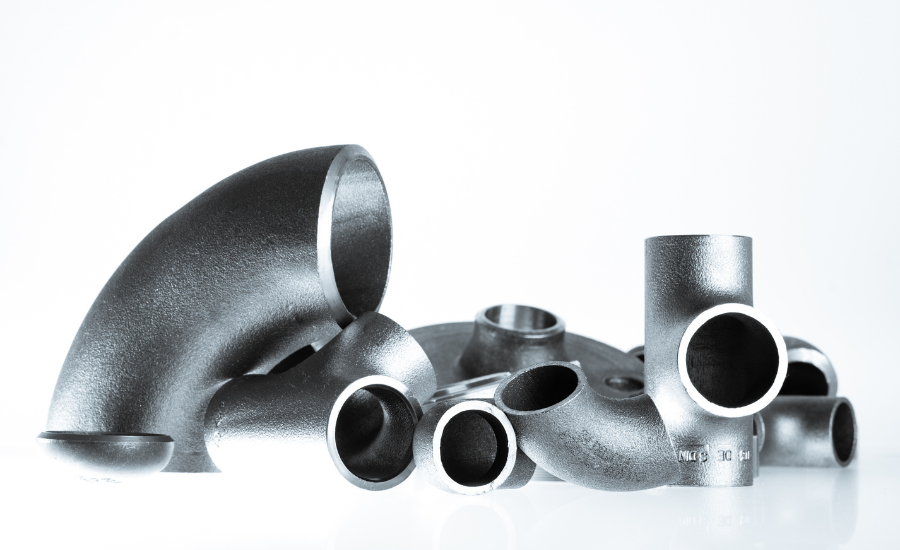
How to Verify the Quality of Butt-Weld Fittings Before Purchase
In industries like oil & gas, petrochemicals, power generation, and construction, the reliability of a piping system depends heavily on one key component — butt-weld fittings. These fittings connect pipes by welding their ends together, ensuring smooth flow, leak-free joints, and high-pressure resistance. But if the fittings are of poor quality, the entire system’s safety and efficiency can be at risk. That’s why verifying the quality of butt-weld fittings before purchase is absolutely crucial. Whether you’re sourcing them locally or importing from a manufacturer abroad, a careful inspection and quality verification process can save time, money, and potential failures. Here’s
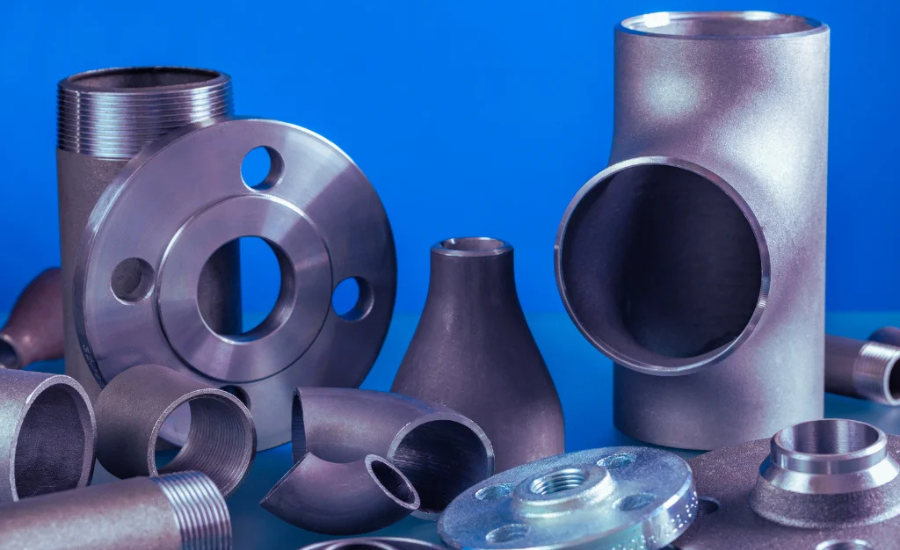
Choose the Right Butt-Weld Fitting for High-Pressure Applications
When dealing with high-pressure systems, selecting the right butt-weld fitting is crucial for ensuring safety, reliability, and efficiency. Butt-weld fittings are known for their strength and ability to handle demanding conditions, but not all fittings are created equal. Here’s a guide to help you choose the best butt-weld fitting for your high-pressure application. Understand Your Pressure Requirements Determine the Maximum Operating Pressure Pressure Ratings: Fittings are rated for specific pressures, usually indicated in pounds per square inch (psi) or bar. Make sure the fitting you choose can handle the maximum pressure your system will experience. Safety Margin: Select fittings with