

SS Pipe Buttweld Fittings vs Socket Weld: Which Is Better for Your Project?
When designing or upgrading a piping system, choosing the right type of pipe fitting is critical for performance, safety, and long-term reliability. Stainless steel (SS) pipe buttweld fittings and socket weld fittings are two widely used options across industries such as oil & gas, chemical processing, pharmaceuticals, and power plants. While both serve the same basic purpose—connecting pipes—their applications, strengths, and limitations differ significantly. This guide helps you decide which is better for your project. Understanding SS Pipe Buttweld Fittings SS pipe buttweld fittings are welded directly to the pipe ends using full-penetration butt welding. This creates a smooth, continuous
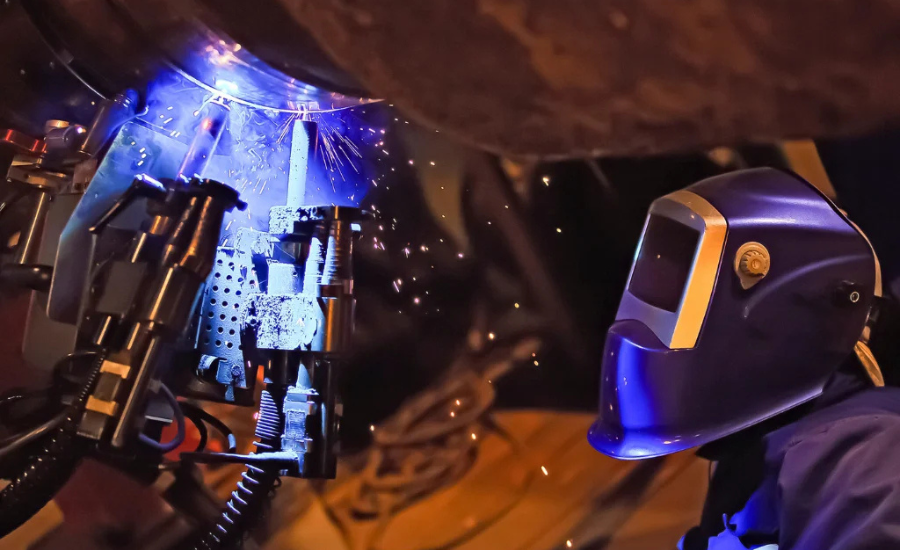
Butt-Weld vs. Socket-Weld: Which Fitting Is Right for Your Project?
When it comes to connecting pipes and tubes in a variety of applications, choosing the right type of fitting is crucial. Two common types of pipe fittings are butt-weld and socket-weld. Each has its strengths and ideal use cases. In this post, we’ll break down the differences between these two fitting methods, so you can make an informed decision for your next project. Butt-Weld Fittings: Strength and Seamlessness What is a Butt-Weld Fitting? A butt-weld fitting is joined to pipes by welding the ends of the pipes together. This type of fitting is often used in high-pressure and high-temperature applications