
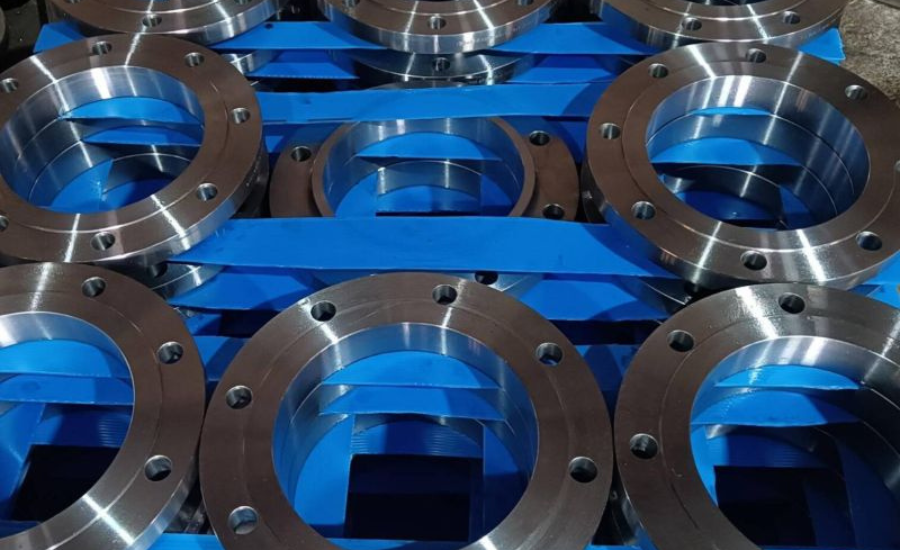
Why Stainless Steel Flanges Are Ideal for Oil & Gas Applications
In the oil & gas industry, every component must withstand extreme pressure, fluctuating temperatures, corrosive environments, and continuous mechanical stress. Failure is not an option. Among the most critical components in piping systems are stainless steel flanges — engineered to deliver strength, sealing reliability, and long-term durability. For EPC contractors and global buyers sourcing from Flanges manufacturers in India, stainless steel flanges, particularly SS Forged Flanges, have become the preferred choice for upstream, midstream, and downstream operations. Exceptional Corrosion Resistance Oil & gas environments often contain moisture, saltwater, hydrogen sulfide, and aggressive chemicals. Carbon steel components can corrode rapidly under
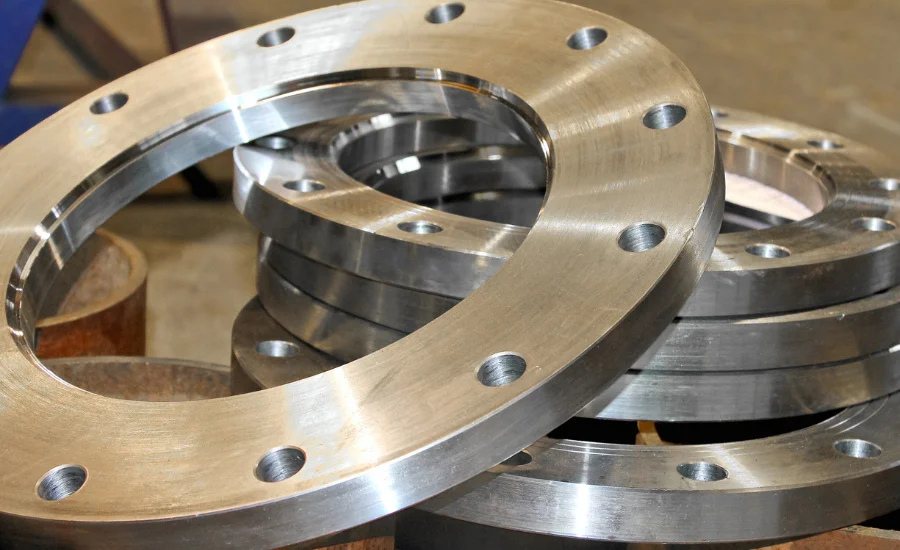
Weld Neck vs. Slip-On vs. Blind Flanges: Which One is Best for You?
Weld Neck vs. Slip-On vs. Blind Flanges: Which One is Best for You? In the world of piping systems and pressure vessels, flanges are critical components that provide secure, leak-proof connections. Whether you’re in oil & gas, chemical processing, power generation, or water treatment, choosing the right flange type can make a significant difference in performance, safety, and maintenance. Among the most commonly used flanges are weld neck, slip-on, and blind flanges. Each type serves a distinct purpose and is designed for specific use cases. Let’s explore how they differ and help you decide which one is best for your application. Weld Neck Flange: High Strength