
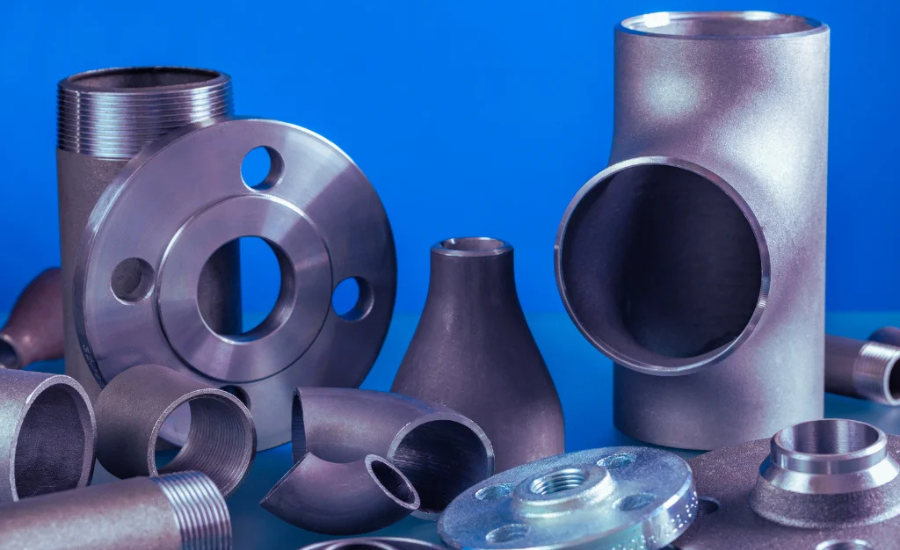
When dealing with high-pressure systems, selecting the right butt-weld fitting is crucial for ensuring safety, reliability, and efficiency. Butt-weld fittings are known for their strength and ability to handle demanding conditions, but not all fittings are created equal. Here’s a guide to help you choose the best butt-weld fitting for your high-pressure application.
Understand Your Pressure Requirements
Determine the Maximum Operating Pressure
- Pressure Ratings: Fittings are rated for specific pressures, usually indicated in pounds per square inch (psi) or bar. Make sure the fitting you choose can handle the maximum pressure your system will experience.
- Safety Margin: Select fittings with a pressure rating higher than your system’s maximum operating pressure to accommodate unexpected pressure surges.
Consider Pressure Fluctuations
- Transient Pressures: In systems where pressure fluctuates, such as those with pumps or compressors, choose fittings that can handle these variations without compromising integrity.
Material Selection
Choose the Right Material
- Steel: Carbon steel is commonly used for high-pressure systems due to its strength and durability. Stainless steel is ideal for corrosive environments or where additional strength is required.
- Alloys: For extreme conditions, consider specialized alloys like Inconel or Hastelloy.
Corrosion and Temperature Resistance
- Corrosion Resistance: Select materials with high corrosion resistance to prolong the life of your fittings.
- Temperature Resistance: Ensure the material can withstand the temperatures of your system, as high heat can affect fitting strength.
Fitting Dimensions and Configuration
Check Pipe Size and Schedule
- Pipe Size: Ensure that the butt-weld fitting matches the diameter of your pipes.
- Pipe Schedule: The thickness of the pipe should match the fitting to maintain uniform strength.
Consider the Fitting Configuration
- Elbows, Tees, and Reducers: Choose the appropriate fitting based on your piping layout and flow direction.
- Custom Shapes: For complex systems, custom fittings may be required. Consult the manufacturer for tailored solutions.
Quality and Certification
Verify Quality Standards
- Standards Compliance: Ensure fittings comply with industry standards such as ASME or ASTM.
- Testing and Certification: Look for fittings that have undergone rigorous testing and come with performance certification.
Manufacturer Reputation
- Trusted Brands: Choose fittings from reputable manufacturers known for reliability and quality.
- Warranty and Support: Consider the warranty and support offered, as it indicates fitting quality and reliability.
Installation and Maintenance Considerations
Proper Installation
- Welding Expertise: Ensure installation by skilled welders familiar with butt-welding techniques.
- Inspection: Inspect welds for quality and integrity, using non-destructive testing if necessary.
Maintenance Practices
- Regular Inspections: Periodically inspect fittings for wear, corrosion, or damage.
- Maintenance Procedures: Follow recommended procedures to ensure longevity and performance.
Conclusion
Choosing the right butt-weld fitting for high-pressure applications involves careful consideration of pressure requirements, material properties, dimensions, and quality standards. By understanding these factors and ensuring proper installation and maintenance, you can select a fitting that will perform reliably and safely in your high-pressure system.
If you have any questions or need assistance with selecting the right fitting, feel free to reach out to industry experts or leave a comment below!