
AstroForge Fitting Industries delivers precision-engineered fasteners built for strength, reliability, and extreme industrial environments.

Inconel Buttweld Fitting 2 1

Chemical Composition of Inconel Flanges

Grade C Mn Si S Co Ni Cr Fe Mo P
C22 0.010 max 0.50 max 0.08 max 0.02 max 2.50 max 50.015 min* 20.00 – 22.50 2.00 – 6.00 12.50 – 14.50 0.02 max
Grade C Mn Si S Co Ni Cr Fe Mo P
B2 0.010 max 1.00 max 0.08 max 0.03 max 2.50 max 50.99 min* 14.50 – 16.50 4.00 – 7.00 15.00 – 17.00 0.04 max
Grade Ni Mo Cr Fe W Mn C Al Ti Si
Hastelloy B3 65.0 min 28.5 1.5 1.5 3.0 max 3.0 max 0.01 max 0.50 max 0.2 max 10 max
Grade Ni Mo Cr Fe Mn C Co Si P S
Hastelloy X Balance 8.00 – 10.00 20.50 – 23.00 17.00 – 20.00 1.00 max 0.05 – 0.15 0.50 – 2.50 1.00 max 0.04 max 0.03 max
Mechanical Properties of Inconel Flanges
Element Density Melting Point Tensile Strength Yield Strength (0.2%Offset) Elongation
Hastelloy C22 8.69 g/cm3 1399 °C (2550 °F) Psi – 1,00,000 , MPa – 690 Psi – 45000 , MPa – 310 45 %
Element Density Melting Point Tensile Strength Yield Strength (0.2%Offset) Elongation
Hastelloy B2 8.89 g/cm3 1370 °C (2500 °F) Psi – 1,15,000 , MPa – 790 Psi – 52,000 , MPa – 355 40 %
Density Melting Point Tensile Strength Yield Strength (0.2%Offset) Elongation
9.2 g/cm3 1370 °C (2550 °F) Psi – 1,15,000 , MPa –760 Psi – 52,000 , MPa – 350 40%
Density Melting Point Tensile Strength Yield Strength (0.2%Offset) Elongation
8.22 g/cm³ 1355°C 655 MPa 240 MPa 35%

Comprehensive Overview of Inconel and Hastelloy Flanges: Composition and Properties

Inconel flanges are premium-grade components widely used in high-temperature and highly corrosive environments such as chemical processing, power generation, and marine industries. These flanges are made from specialized nickel-based alloys designed to deliver superior strength, resistance to oxidation, and long-term durability under extreme operating conditions. Various grades of these alloys offer unique chemical and mechanical characteristics tailored for specific industrial applications.

Chemical Composition of Inconel Flanges:

One of the common grades used in these flanges contains a minimum of 50.015% nickel, 20.00–22.50% chromium, 12.50–14.50% molybdenum, and up to 6.00% iron. The carbon content is kept very low (0.010% max), ensuring excellent weldability and minimal carbide precipitation. Other elements such as manganese (0.50% max), silicon (0.08% max), and cobalt (up to 2.50%) are controlled to enhance performance in corrosive environments.

Another alloy variant includes 50.99% minimum nickel, 14.50–16.50% chromium, and a higher molybdenum range of 15.00–17.00%, with 4.00–7.00% iron. This composition is ideal for applications exposed to reducing media. Sulfur and phosphorus levels are kept very low to maintain purity and prevent brittleness.

A third grade focuses on a high nickel base (65.0% min) with 28.5% molybdenum and smaller amounts of chromium (1.5%), iron (1.5%), and tungsten (up to 3.0%). Manganese, aluminum, titanium, and silicon are also present in controlled amounts to provide added stability and corrosion resistance.

A fourth alloy type features a balance of nickel with 20.50–23.00% chromium, 17.00–20.00% iron, and 8.00–10.00% molybdenum. It also includes cobalt (0.50–2.50%) and small quantities of manganese, carbon, silicon, phosphorus, and sulfur, optimized for high-temperature resistance.

Mechanical Properties of Inconel Flanges:

These nickel-based alloys exhibit impressive mechanical strength. One variant has a tensile strength of 690 MPa and a yield strength of 310 MPa, with an elongation of 45%, and a density of 8.69 g/cm³. Another displays even greater tensile strength at 790 MPa and a yield strength of 355 MPa, along with 40% elongation and a density of 8.89 g/cm³.

Other alloys show tensile strengths between 655–760 MPa, with yield strengths ranging from 240–350 MPa and elongation around 35–40%, making them well-suited for forming and fabrication under pressure. Their melting points range from 1355°C to 1399°C, highlighting their ability to withstand extreme thermal conditions.

These performance-driven properties make Inconel flanges a trusted choice for reliability and durability in the most demanding settings.

Connect with us

Quality Pipe Fitting Solutions
Reliable, durable, and precise pipe fittings for every industrial need.
Buttweld Fittings
Pipe Fittings Manufacturers in India

Buttweld Fittings

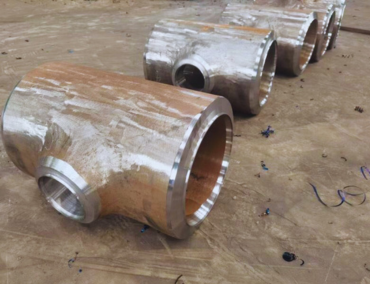
High-quality buttweld fittings for secure, leak-proof pipe connections.

Explore more
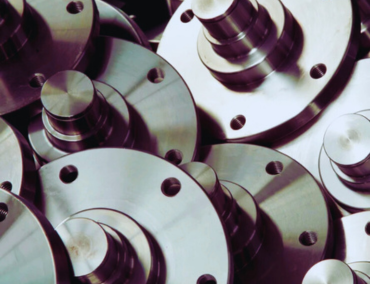
Flanges
Pipe Fittings Manufacturers in India

Flanges

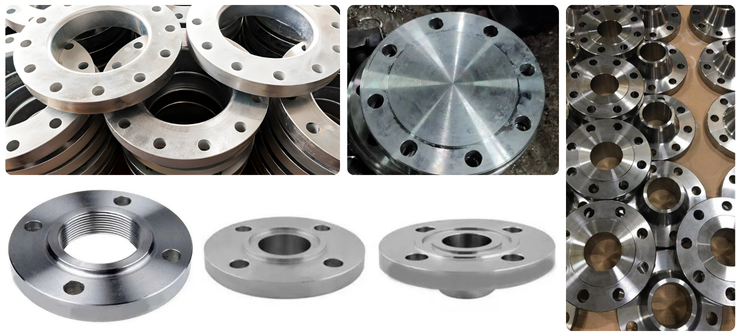
Durable industrial flanges for reliable piping connection and pressure sealing.

Explore more
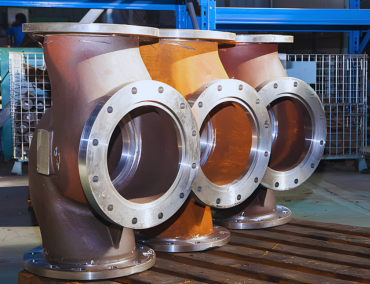
Threaded Fittings
Pipe Fittings Manufacturers in India

Threaded Fittings

Precision threaded fittings for secure, easy, and leak-resistant pipe connections.

Explore more
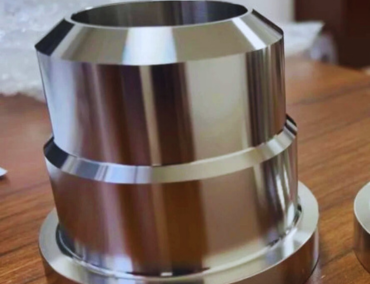
Socket Weld Fittings
Pipe Fittings Manufacturers in India

Socket Weld Fittings

Robust socket weld fittings for high-pressure, leak-proof pipe connections.

Explore more
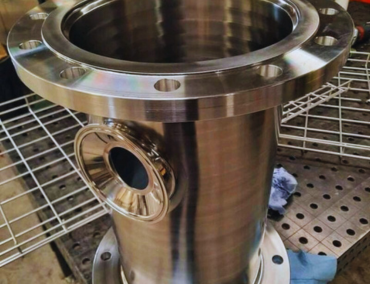
Pre Fabricated Fittings
Pipe Fittings Manufacturers in India

Pre Fabricated Fittings

Custom pre-fabricated fittings for efficient, accurate, and time-saving piping installations.

Explore more
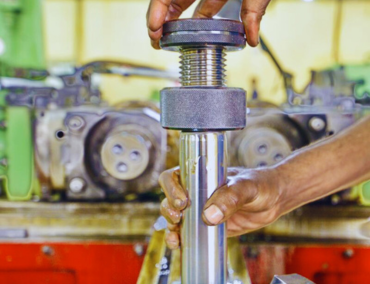
Fasteners
Pipe Fittings Manufacturers in India

Fastners

High-performance fasteners for strong, reliable, and durable industrial connections.

Explore more
Pipes & Tubes
Pipe Fittings Manufacturers in India

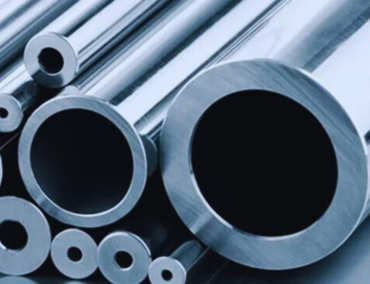
Pipes & Tubes

Premium pipes and tubes for efficient flow and structural reliability in industrial systems.

Explore more
Swage Nipple
Pipe Fittings Manufacturers in India

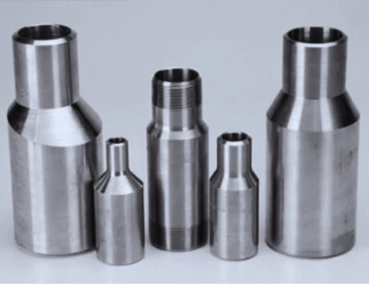
Swage Nipple

Swage nipples for high-pressure pipe size transitions.

Explore more
Pipe Outlet Fittings
Pipe Fittings Manufacturers in India

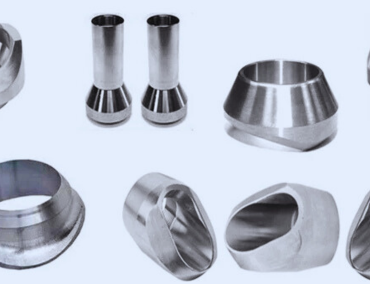
Pipe Outlet Fittings

Reliable pipe outlet fittings for pipeline branching.

Explore more
Pipes Nipple
Pipe Fittings Manufacturers in India

Pipes Nipple

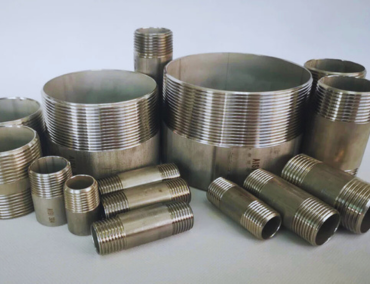
Pipe nipples for reliable, leak-proof pipe connections.

Explore more
Spades & Ring Spacers
Pipe Fittings Manufacturers in India

Spades & Ring Spacers

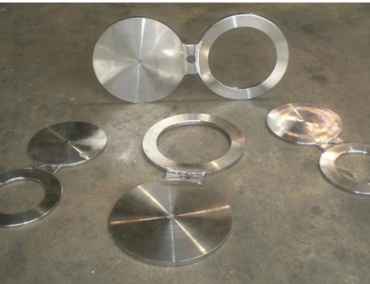
Spades and ring spacers for safe pipeline isolation and maintenance operations.

Explore more
FAQs - Inconel Flanges

Inconel Flanges are primarily used in high-temperature and corrosive environments such as chemical processing, power plants, marine applications, and aerospace industries. They offer excellent resistance to oxidation, pressure, and extreme heat.

Inconel Flanges are made from nickel-based alloys that provide superior corrosion and heat resistance compared to standard stainless steel flanges. They are ideal for harsh environments where stainless steel may fail.

Common grades of Inconel Flanges include those with high nickel content and varying levels of chromium, molybdenum, and iron. These grades are engineered to meet specific requirements in chemical resistance and mechanical strength.

Yes, Inconel Flanges are highly corrosion-resistant, especially in environments with strong acids, seawater, and high-temperature oxidation. Their composition makes them ideal for aggressive industrial conditions.

Absolutely. Inconel Flanges are known for their excellent heat resistance, with melting points ranging from 1355°C to 1399°C. This makes them suitable for high-temperature applications such as exhaust systems and reactors.

Inconel Flanges exhibit high tensile strength (up to 790 MPa), yield strength (up to 355 MPa), and good elongation (up to 45%), along with strong thermal stability and durability.

Yes, Inconel Flanges have low carbon content and excellent metallurgical stability, making them suitable for welding, machining, and forming without the risk of cracking or corrosion.

Industries that commonly use Inconel Flanges include petrochemical, aerospace, marine, power generation, and nuclear sectors, where reliability under extreme conditions is essential.

Choosing the right Inconel Flange depends on your operating environment, including temperature, pressure, and chemical exposure. Consulting a materials engineer or supplier can help you select the appropriate grade and specifications.

While Inconel Flanges are more expensive than standard materials, their long-term durability, reduced maintenance needs, and resistance to extreme conditions often make them a cost-effective solution over time.